If you worry about a loved one falling, you are not alone. Falls are the leading cause of injury for adults 65 and older, with millions of injuries treated in emergency departments every year. The good news is that most falls can be prevented with the right plan, the right environment, and steady follow-through.
In Oregon, falls are also the leading cause of fatal and nonfatal injuries for older adults. One in three older adults here falls each year, and 20 to 30 percent of those falls cause moderate to severe injuries like hip fractures or head trauma.
At Pioneer Village, we take fall prevention seriously across Independent Living and Assisted Living. This guide explains how fall prevention in assisted living works, the evidence behind what helps, and how your family can partner with us to keep your loved one safer in daily life.
Why fall prevention matters now
Deaths from unintentional falls have risen sharply in the United States over two decades. A 2025 data brief from the National Center for Health Statistics shows fall death rates continue to climb among adults 65 and older.
Nationwide, about one in four older adults reports falling each year. Falls drive roughly 3 million emergency department visits and about 1 million hospitalizations annually.
Those numbers are not destiny. Evidence-based fall prevention in assisted living reduces risk when it is personal, consistent, and team-driven.
Common reasons older adults fall
You will often see more than one factor at play. The most common and fixable risks include:
- Strength and balance loss, slowed reflexes, and a fear of falling can reduce activity, creating a cycle of deconditioning.
- Medications that increase dizziness or sedation, particularly when multiple medications are used together.
- Vision or hearing changes, cataracts, or poor depth perception.
- Footwear and foot pain, neuropathy, or unsafe slippers.
- Low blood pressure when standing that causes lightheadedness.
- Environmental hazards such as glare, low light, clutter, loose rugs, cords, or slick bathroom floors.
Each of these can be addressed through a clear fall prevention plan in Assisted Living in Jacksonville, Oregon.
What fall prevention in assisted living looks like at Pioneer Village
Our approach blends personal assessments, a safer physical environment, and daily habits that support strength, balance, and confidence. We layer the following elements so residents get the right help at the right time.
1) Individual risk screening and care planning
- Baseline fall risk screening at move-in, followed by ongoing checks after any change in condition, new medication, or a fall event.
- Personalized care plans that target each modifiable risk factor. Oregon’s assisted living rules are built to support person-centered services that respect dignity, independence, and decision-making while maintaining safety.
2) Safer apartments and shared spaces
- Bright, even lighting with nightlights and minimal glare.
- Non-slip flooring and dry, well-maintained surfaces.
- Grab bars, raised toilet seats as needed, clear pathways, and seated options for dressing.
- 24-hour onsite team members and a reliable emergency call system across our community amenities. See our Services and Amenities at Pioneer Village for details on our safety features and 24-hour staffing.
3) Strength, balance, and mobility work
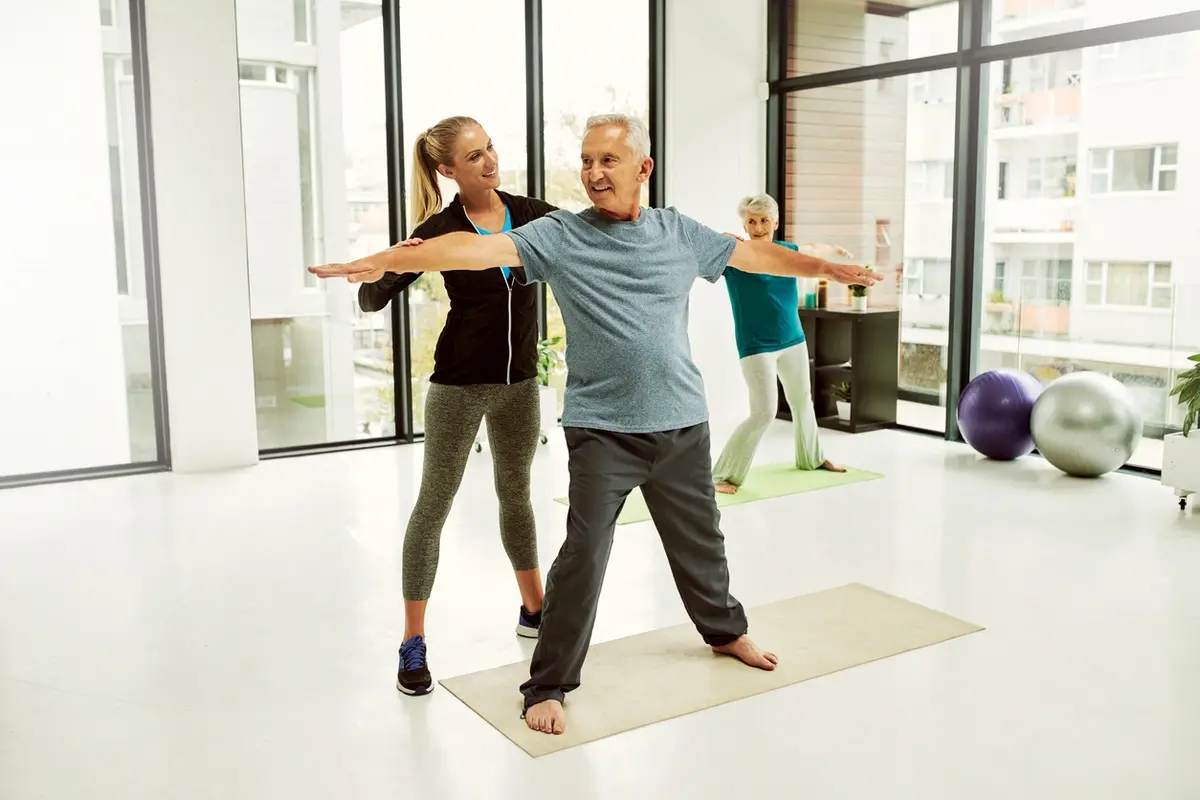
- On-site group classes that focus on balance, gait, and leg strength.
- Evidence-supported activities, such as Tai Chi, have been shown to improve balance test scores and reduce the risk of falls.
- Earlier research also found a 47% lower relative risk of multiple falls after a 15-week Tai Chi program.
4) Medication safety and coordination
- Regular medication list reviews with prescribers and pharmacists to reduce or replace drugs linked to falls when safe to do so. Deprescribing efforts in older adults with polypharmacy aim to lower fall risk and other adverse events.
5) Vision, hearing, and footwear checks
- Encouraging up-to-date eye and hearing exams, clean lenses, and well-fitting hearing aids.
- Proper shoes with firm, low heels and slip-resistant soles; never loose, floppy slippers.
6) Hydration and nutrition
- Structured hydration and nutritious meals support alertness, muscle function, and safe mobility. Explore Independent Living in Jacksonville, Oregon, for a look at our dining and daily life, including our flexible Anytime Dining program.
7) Education after any fall
- A calm, step-by-step review to learn what happened, update the plan, and prevent another fall.
- Clear communication with family so everyone can reinforce the same habits.
If your loved one requires additional day-to-day support, discover Assisted Living in Jacksonville, OR, and learn how we tailor care to each resident.
What the research says families should ask for
Fall prevention in assisted living is most effective when it utilizes proven tools, rather than relying on guesswork. These are the levers with the most substantial evidence.
Exercise works
The U.S. Preventive Services Task Force recommends structured exercise to prevent falls in adults 65 and older who are at increased risk. Plans usually include balance, strength, and gait training, delivered consistently over time.
What to ask: How often are balance and strength classes offered, and who leads them? Can my loved one get individualized coaching if needed?
Multifactorial programs help when they are personalized.
A 2025 Cochrane review found that multifactorial programs, designed and delivered in collaboration with facility staff and tailored to each resident, likely reduce the number of fallers in care facilities and may decrease the overall fall rate when customized to individual needs.
What to ask: How do you adapt the plan for someone with memory loss or neuropathy? How do you update the plan after a fall?
Medications matter
Systematic reviews link targeted medication reviews and deprescribing to fewer falls and better outcomes in older adults. Ask about high-risk categories such as sleep aids, some anxiety medications, some antidepressants, certain blood pressure medications, and drugs with substantial anticholinergic effects.
What to ask: How often will you coordinate with our prescriber to adjust medications that increase the risk of falls?
Vitamin D is not a fall-prevention shortcut
USPSTF guidance does not recommend vitamin D supplementation for community-dwelling older adults to prevent falls. Exercise and tailored risk reduction carry the benefit. Always follow your clinician’s advice for bone health, but do not rely on vitamin D alone for fall prevention.
What to ask: How will you screen for osteoporosis risk while we focus on strength and balance training?
A practical fall prevention checklist for families
Use this list to shape conversations with your care team. Small steps add up when you stack them together.
- Share a full picture. Provide recent falls, near-falls, dizziness episodes, vision changes, foot pain, and all current medicines and supplements.
- Include balance and strength exercises in your routine at least twice a week. Include chair stands, heel raises, sit-to-stand drills, and supervised walking patterns. Consider Tai Chi to build balance and confidence.
- Check blood pressure seated and standing. Report lightheadedness.
- Schedule eye and hearing exams. Keep glasses clean and lighting consistent.
- Optimize footwear. Choose supportive shoes with non-slip soles; avoid backless slippers.
- Simplify the environment. Remove clutter, keep pathways clear, tidy cords, and place frequently used items at waist height.
- Add smart lighting. Nightlights in the bedroom and bathroom, motion lights in hallways.
- Use the right equipment. Ask about grab bars, shower chairs, raised toilet seats, and walkers or canes that are the right size.
- Hydrate and eat well. Dehydration can increase confusion and dizziness, which in turn raises the risk of falls.
- Report every fall and near-fall. The first fall doubles the chance of a second; rapid plan updates lower that risk.
Questions to ask on your Pioneer Village tour
Bring this list when you visit Assisted Living in Jacksonville, Oregon, or Independent Living in Jacksonville, Oregon, so you leave with clear answers.
- How do you screen and rescreen residents for fall risk?
- What does a typical balance class include, and how often is it offered?
- Who reviews medications with our physician, and how often?
- What safety features are built into apartments and bathrooms?
- How do you respond after a fall, and how fast are care plans updated?
- How do you communicate changes to families?
You can also explore our Services and Amenities to see safety features, anytime dining hours, and wellness programming that support daily fall prevention.
How families can partner with us day to day
- Encourage movement. Attend a group class with your loved one during the early weeks to establish a routine and build confidence.
- Bring the right shoes and replace them when they are worn out.
- Keep glasses and hearing aids maintained.
- Label and store items so that residents can easily access essentials without having to bend or climb.
- Stick to hydration cues and follow a routine of healthy snacks.
- Speak up quickly when you notice dizziness, new pain, or changes in how clothing fits around the feet or legs.
Why choose Pioneer Village for fall prevention in assisted living
Fall prevention in assisted living is not a one-time project; it requires ongoing attention and maintenance. It is a daily practice. Pioneer Village offers warm, residential apartments, 24-hour onsite staff, an emergency call system, and a full slate of wellness programs. We create individual plans tailored to each resident’s goals and preferences, and then we continue to work with them to support their progress. Discover how we operate across Assisted Living in Jacksonville, Oregon, and Independent Living in Jacksonville, Oregon.
Oregon’s standards for assisted living aim to preserve dignity and autonomy while maintaining safety in a homelike setting, which aligns with our approach to fall prevention in assisted living.
Ready to discuss next steps?
If you are comparing options for Assisted Living in Jacksonville, Oregon, we invite you to contact Pioneer Village to schedule a tour or call (541) 702-1804. We will listen, review your goals, and outline a practical plan that supports safer movement and an engaging daily life across Independent Living and Assisted Living.
FAQs about Fall Prevention in Assisted Living
What causes most falls in assisted living?
A mix of factors, usually weakness or balance loss, medicines that cause dizziness, poor lighting, vision changes, foot pain, and clutter. The best programs address multiple risks simultaneously and update the plan following any change in condition.
How often should medication reviews happen for fall prevention?
At move-in, then at least whenever medicines change, after any fall, and at regular intervals set by your care team and prescriber. Reviews target drugs linked to falls and aim to deprescribe when safe.
Does Tai Chi really reduce falls?
Yes. Meta-analyses show Tai Chi improves balance and function, and some trials report fewer falls when practiced consistently. Ask about class frequency and instructor training,
How do I choose an assisted living community focused on fall prevention?
Tour with a checklist. Look for clear screening, tailored plans, regular exercise classes, medication reviews, safety features, and rapid updates after any fall. Verify staff training and communication practices.